

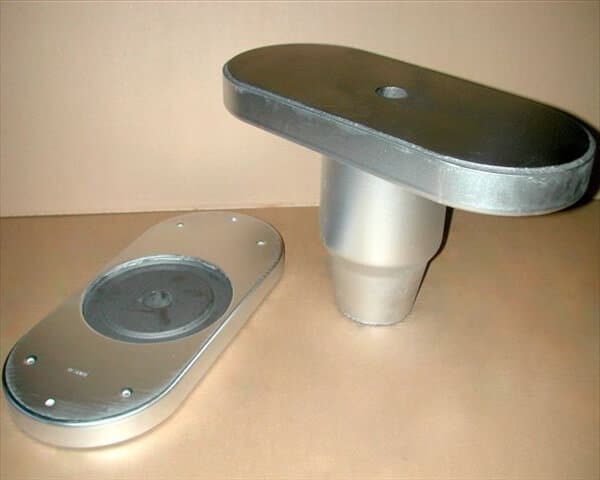

In continuous casting and ladle refining processes, the slide gate system plays a decisive role in controlling molten steel flow. Among all components, the slide gate plates—consisting of the upper plate, lower plate, collector nozzle plate, and intermediate plates—are the core sealing surfaces. Leakage of molten steel at the slide gate is one of the most dangerous incidents in steelmaking. It causes ladle breakout, equipment damage, production delays, and severe safety hazards.
Preventing leakage of slide gate plates requires technical understanding, proper material selection, correct installation, and precise operational control. This article explains the main causes of slide gate plate leakage and provides practical methods to avoid leakage in industrial operations.
1. Understand the Causes of Slide Gate Plate Leakage
To prevent leakage, it is important to understand why it occurs. The most common causes include:
1.1 Improper Assembly or Misalignment
If the upper and lower plates are not aligned correctly, the sliding surfaces will not reach full face-to-face contact, causing gaps. Even a small misalignment can lead to molten steel leakage under high pressure.
1.2 Insufficient Plate Tightening Force
The sliding mechanism requires stable and strong clamping force. Low pressure allows molten steel to penetrate between plates, especially during casting turbulence or ladle tilting.
1.3 Thermal Expansion and Plate Warping
Rapid temperature changes may cause the plates to deform. Warping of even a few tenths of a millimeter will destroy the sealing surface and create leakage paths.
1.4 Excessive Wear of Plate Surfaces
Slide plates experience severe mechanical wear, oxidation, and erosion from molten steel. If the plate surface becomes rough, cracked, or excessively worn, sealing cannot be maintained.
1.5 Poor Slide Plate Quality
Low-quality plates with high porosity, low density, or weak binder systems are more likely to crack or wear prematurely, increasing leakage risk.
1.6 Foreign Particles Between Plates
Slag, dust, and residual steel on the plate surface create uneven contact. Even tiny particles prevent proper sealing.
1.7 Faults in Slide Gate Mechanism
Wear, improper lubrication, or deformation of the slide gate frame prevents smooth movement and uniform pressure distribution.
2. Best Practices to Avoid Slide Gate Plate Leakage
2.1 Always Choose High-Quality Refractory Plates
A leak-proof system starts with the correct plate material. Choose plates with:
- High density and low porosity
- High thermal shock resistance
- Strong oxidation resistance
- Uniform microstructure
- High abrasion resistance
Common advanced plate qualities include:
1QC, 2QC, CS60, CS80, LS70, LG21, LG22, Flocon 4200, etc.
These high-performance plates reduce cracking, wear, and thermal deformation.
2.2 Ensure Precise Installation and Alignment
Proper installation is essential:
- Clean both plate surfaces thoroughly before installation.
- Ensure zero foreign particles (slag, carbon powder, dust).
- Use calibrated alignment tools to ensure exact plate center positioning.
- Check upper and lower plates visually and mechanically for flatness.
- Verify correct mounting torque on all fastening bolts.
Even slight movement during installation can cause leakage during casting.
2.3 Maintain Adequate and Uniform Clamping Force
A stable sealing pressure is crucial:
- Check hydraulic or mechanical clamping force calibration.
- Inspect springs, cylinders, or manual control systems regularly.
- Ensure uniform pressure across the plate surface.
- Replace weakened or worn mechanical components immediately.
A high-quality plate cannot perform if the clamping pressure is unstable.
2.4 Preheat the Slide Gate Properly
Correct preheating reduces the risk of:
- Thermal shock cracking
- Surface spalling
- Plate warping
Recommended actions:
- Follow the manufacturer’s preheat curve (usually 600–900°C).
- Avoid rapid temperature rise.
- Ensure even heating across the plate area.
Proper preheating significantly improves plate sealing efficiency.
2.5 Keep the Slide Gate Mechanism in Good Condition
A slide gate with poor mechanical performance increases leakage risk.
Routine inspection should include:
- Slide rails and guiding surfaces
- Clamp system and springs
- Hydraulic or pneumatic actuators
- Screw tightening condition
- Nozzle chamber alignment
A smooth and stable sliding motion ensures proper sealing.
2.6 Monitor Plate Wear During Operation
During casting, operators should monitor:
- Sliding resistance
- Abnormal smell or smoke (indicating overheating)
- Flow instability
- Unexpected pressure variation
After casting:
- Inspect plates for cracks, grooves, or pits
- Measure remaining thickness
- Assess oxidation and corrosion signs
Timely replacement prevents catastrophic failure.
2.7 Prevent Entry of Slag or Steel Between Plates
Foreign materials are the most common cause of leakage.
To prevent this:
- Clean plates with compressed air before assembly.
- Avoid touching plate surfaces with oily hands.
- Prevent metal splashes from landing on the slide gate system.
- Use protective covers during idle periods.
Cleanliness is one of the simplest yet most important preventive actions.
2.8 Follow Strict Ladle Operation Procedures
Operator behavior strongly influences leakage risk.
Key operational rules:
- Avoid unnecessary ladle tilting.
- Do not force the slide gate if resistance increases.
- Ensure smooth opening and closing operations.
- Follow correct casting startup procedures.
Proper training and discipline significantly reduce leakage events.
3. Regular Maintenance and Record Keeping
Preventive maintenance is more effective than emergency repairs.
Recommended approach:
- Maintain a monthly slide gate inspection log.
- Record plate consumption rate, leakage incidents, and wear levels.
- Analyze abnormal plate behavior for early detection of mechanical issues.
- Perform scheduled overhauls of the slide gate housing, clamping system, and actuator.
Data-driven system management greatly reduces unexpected leakage.
4. Conclusion
Avoiding leakage of slide gate plates is essential for safe and efficient steelmaking operations. Leakage prevention is not just about using high-quality plates—it requires a systematic approach involving:
- Proper material selection
- Accurate installation
- Stable clamping pressure
- Clean and smooth plate surfaces
- Correct preheating
- Strict operational discipline
- Continuous monitoring and maintenance
By following these technical guidelines, steel plants can significantly reduce leakage incidents, increase casting stability, and extend slide gate service life.

