


Second-generation biofuels are becoming increasingly relevant as governments, fuel producers, airlines, shipping companies, and industrial users look for cleaner fuel options that do not rely directly on food crops. These biofuels are produced from non-food biomass such as agricultural residues, forestry waste, municipal solid waste, used oils, grasses, and lignocellulosic materials. By using waste and residue-based feedstocks, second-generation biofuels can support transport decarbonization while reducing concerns linked with food security and land competition.
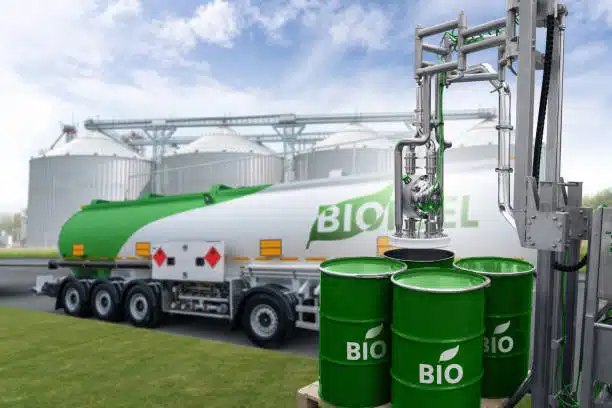
According to MarkNtel Advisors, the global second-generation biofuels sector is expected to grow steadily as countries increase support for low-carbon fuels, renewable transport energy, and waste-based fuel production. The advanced biofuel adoption outlook highlights rising demand from road transport, aviation, marine fuels, industrial users, and policy-driven renewable fuel programs across developed and emerging economies.
Waste-Based Feedstocks Are Driving Interest
One of the strongest advantages of second-generation biofuels is their ability to use waste materials. Agricultural residues such as corn stover, wheat straw, sugarcane bagasse, and rice husk can be converted into ethanol, biodiesel, renewable diesel, or sustainable aviation fuel depending on technology and feedstock quality. Forestry residues and municipal waste also offer potential for fuel production.
The Food and Agriculture Organization highlights bioenergy’s connection with agriculture, land use, and rural development. Using residues and waste streams can create value from underutilized biomass while helping reduce pressure on conventional food-based feedstocks.
Transport Decarbonization Supports Demand
Road transport, aviation, and shipping are key demand areas for second-generation biofuels. Heavy trucks, buses, aircraft, ships, and off-road machinery are difficult to electrify quickly because they require high energy density and long operating range. Advanced biofuels can reduce lifecycle emissions while using existing or adapted fuel infrastructure.
The International Energy Agency identifies biofuels as important for reducing emissions in transport, especially in segments where electrification is slower. This supports demand for second-generation fuels in freight transport, aviation, marine operations, and industrial mobility.
Sustainable Aviation Fuel Creates a Major Opportunity
Sustainable aviation fuel is one of the most important future opportunities for second-generation biofuels. Airlines are under pressure to reduce emissions, but long-haul aviation has limited near-term alternatives to liquid fuels. Waste oils, agricultural residues, municipal waste, and other advanced feedstocks can support SAF production through approved fuel pathways.
The International Civil Aviation Organization recognizes sustainable aviation fuel as an important pathway for reducing aviation emissions. As airlines, airports, and fuel suppliers build SAF supply chains, second-generation biofuels are expected to become more important in aviation decarbonization planning.
Policy Support Is Essential for Scaling
Second-generation biofuels often require strong policy support because production technologies can be capital-intensive and feedstock logistics are complex. Renewable fuel standards, blending mandates, tax incentives, low-carbon fuel standards, and government procurement programs help create demand certainty for investors and producers.
The European Commission includes advanced biofuels within its renewable energy and transport fuel policy framework. Such policy mechanisms are important because they encourage the use of waste-based and non-food feedstocks while supporting cleaner transport fuels.
Technology and Feedstock Logistics Remain Challenges
Despite strong potential, second-generation biofuels face several barriers. Collecting, transporting, storing, and pre-treating biomass can be expensive, especially when feedstocks are scattered across rural areas. Technology pathways such as cellulosic ethanol, gasification, pyrolysis, and hydroprocessing also require careful optimization to improve yield, reduce cost, and maintain fuel quality.
Feedstock consistency is another challenge. Biomass moisture, contamination, seasonal availability, and competing uses can affect production efficiency. Producers must build reliable supply chains with farmers, municipalities, forestry operators, and waste management companies.
Circular Economy Benefits Strengthen the Case
Second-generation biofuels can support circular economy goals by converting waste into useful energy. Municipal solid waste, used cooking oil, agricultural residues, and forestry by-products can be redirected from disposal or open burning toward fuel production. This can reduce waste-management pressure while creating local economic value.
The United Nations Environment Programme promotes circularity as a way to reduce waste and improve resource efficiency. Advanced biofuels fit this approach by turning low-value residues into fuels for transport and industry.
Looking Ahead
Second-generation biofuels are expected to gain wider adoption as transport decarbonization, sustainable aviation fuel demand, renewable fuel mandates, and circular economy strategies advance. Demand is likely to remain strongest in aviation, road freight, marine fuel, renewable diesel, cellulosic ethanol, and waste-based feedstock applications. The long-term direction will depend on production cost reduction, policy stability, feedstock logistics, technology scale-up, certification systems, and the ability of producers to deliver low-carbon fuels without increasing pressure on food crops or agricultural land.

