
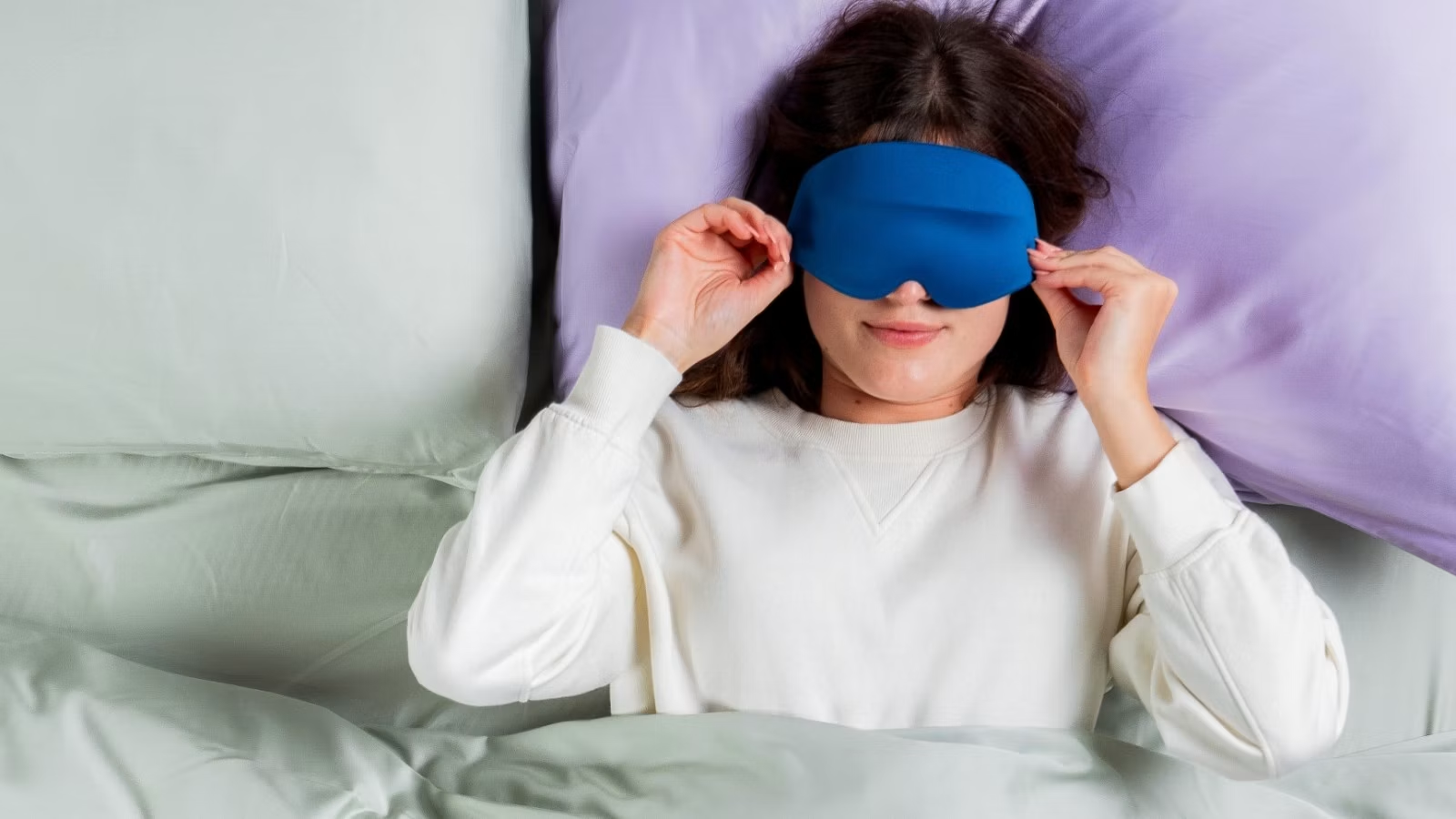

An adjustable sleep mask is commonly used for blocking light and improving sleep quality, especially for people sensitive to brightness. Since it stays in direct contact with facial skin for long hours, hygiene becomes an important factor. Sweat, skin oils, and dust naturally accumulate on the fabric over time. This buildup can affect comfort, reduce breathability, and impact overall sleep experience. Proper cleaning and timely replacement help maintain freshness, improve durability, and support healthier sleep habits over long-term use.
Why Regular Cleaning of Sleep Mask Is Important
A sleep mask touches sensitive areas around the eyes, cheeks, and nose bridge, making cleanliness essential. Skin oils and sweat gradually absorb into the material, creating an environment where bacteria and odor can develop. This may lead to discomfort or minor skin irritation. Regular cleaning removes these residues and restores softness. Clean fabric also performs better in blocking light consistently. Maintaining hygiene ensures the mask remains safe, comfortable, and effective for uninterrupted sleep.
Ideal Cleaning Frequency for Daily Users
Cleaning frequency depends on how often the mask is used. Daily users benefit from a light cleaning every two to three uses, especially in warm conditions. A deeper wash once a week helps maintain hygiene and fabric quality. Occasional users may clean less frequently, depending on storage conditions. However, masks used during travel or in dusty environments require more frequent care. Establishing a simple routine prevents buildup and keeps the mask fresh for daily comfort.
Environmental and Personal Factors That Affect Cleaning
Several factors influence how often a sleep mask should be cleaned. Oily skin types cause faster buildup, requiring more frequent washing. Hot and humid climates increase sweat absorption, which affects fabric freshness. Material type also plays a role, as silk, cotton, and memory foam respond differently to washing. Exposure to pollution, dust, or travel conditions further increases cleaning needs. Understanding these factors helps create a flexible hygiene routine suited to individual usage patterns.
Step-by-Step Method for Cleaning Sleep Mask Properly
Proper cleaning helps extend the life of a sleep mask while preserving softness. Start by filling a small bowl with lukewarm water and adding a mild detergent. Gently soak the mask without harsh rubbing or twisting. Lightly clean areas that touch the skin using soft movements. Rinse thoroughly to remove all soap residue. Press out excess water carefully without stretching the fabric. Finally, place the mask flat on a clean towel and allow it to air dry naturally away from heat or sunlight.
Best Practices for Drying and Storing Sleep Masks
Drying and storage methods directly affect the lifespan of a sleep mask. Air drying is the safest option, as high heat can damage elastic straps and delicate fabrics. Direct sunlight should also be avoided to prevent fading or weakening of fibers. Once dry, the mask should be stored in a clean, dry pouch to protect it from dust and moisture. Folding it loosely instead of tightly compressing it helps maintain its shape and comfort level for long-term use.
How Often Should a Sleep Mask Be Replaced?
Even with proper care, sleep masks do not last forever. On average, replacement is recommended every six to twelve months depending on usage frequency and material quality. Daily users may need replacements sooner due to faster wear and tear. High-quality masks may last longer if maintained properly. Replacement timing should be based on comfort, elasticity, and performance rather than a fixed schedule. Once the mask no longer blocks light effectively, replacement becomes necessary.
Signs That Indicate a Sleep Mask Needs Replacement
Visible wear and functional decline indicate that a sleep mask should be replaced. Loose elastic straps reduce fit and stability during sleep. Thinning fabric allows light leakage, reducing effectiveness. Persistent odor after washing signals deep material buildup. Flattened padding affects comfort around the eyes and nose area. Frayed stitching or fabric damage reduces durability. Skin irritation after use is another strong indicator. Recognizing these signs ensures better sleep comfort and hygiene.
Common Mistakes That Damage Sleep Masks Quickly
Improper care significantly shortens the lifespan of a sleep mask. Using harsh detergents or bleach weakens fabric fibers and reduces softness. Machine washing or drying can damage elastic straps and distort shape. Storing a damp mask encourages bacteria and odor buildup. Over-folding or compressing the mask creates permanent creases and weak spots. Skipping regular cleaning allows oils and dust to accumulate deeply. Avoiding these mistakes helps maintain quality and extends usability.
Material Differences and Their Care Requirements
Different materials require different care approaches. Silk masks need gentle hand washing to preserve texture and softness. Cotton masks are more durable but still benefit from mild detergents and air drying. Memory foam masks require minimal water exposure to maintain structure. Synthetic blends offer flexibility but still need proper drying techniques. Understanding material type helps prevent damage and ensures long-lasting performance. Proper care tailored to fabric type improves comfort and durability significantly.
Impact of Clean Sleep Masks on Sleep Quality
Clean sleep masks contribute directly to better sleep quality. Fresh fabric reduces irritation and prevents discomfort during long hours of use. Effective light blocking improves melatonin production, supporting deeper rest. A clean surface also enhances breathability, preventing heat buildup around the eyes. Comfortable fit and hygiene together create a more relaxing sleep environment. Maintaining cleanliness ensures consistent performance, making sleep masks more effective in supporting healthy sleep patterns over time.
Maintenance Routine for Long-Term Durability
A consistent maintenance routine helps extend the life of a sleep mask. Light cleaning after frequent use prevents buildup of oils and dust. Weekly washing maintains hygiene and fabric softness. Proper drying and storage protect structural integrity. Regular inspection for wear and tear helps identify replacement needs early. Combining these habits ensures the mask remains comfortable and effective. A simple care routine improves durability and supports long-term sleep comfort without frequent replacements.
Final Thoughts:
Proper cleaning and timely replacement of a sleep mask ensure consistent comfort and hygiene. Regular maintenance prevents buildup of oils, dust, and odor while preserving fabric quality. Replacement at the right time maintains effective light blocking and comfort. Usage habits, environment, and material type all influence care requirements. A balanced routine supports long-term usability, better sleep quality, and improved comfort, making the sleep mask a reliable part of daily rest habits.

