
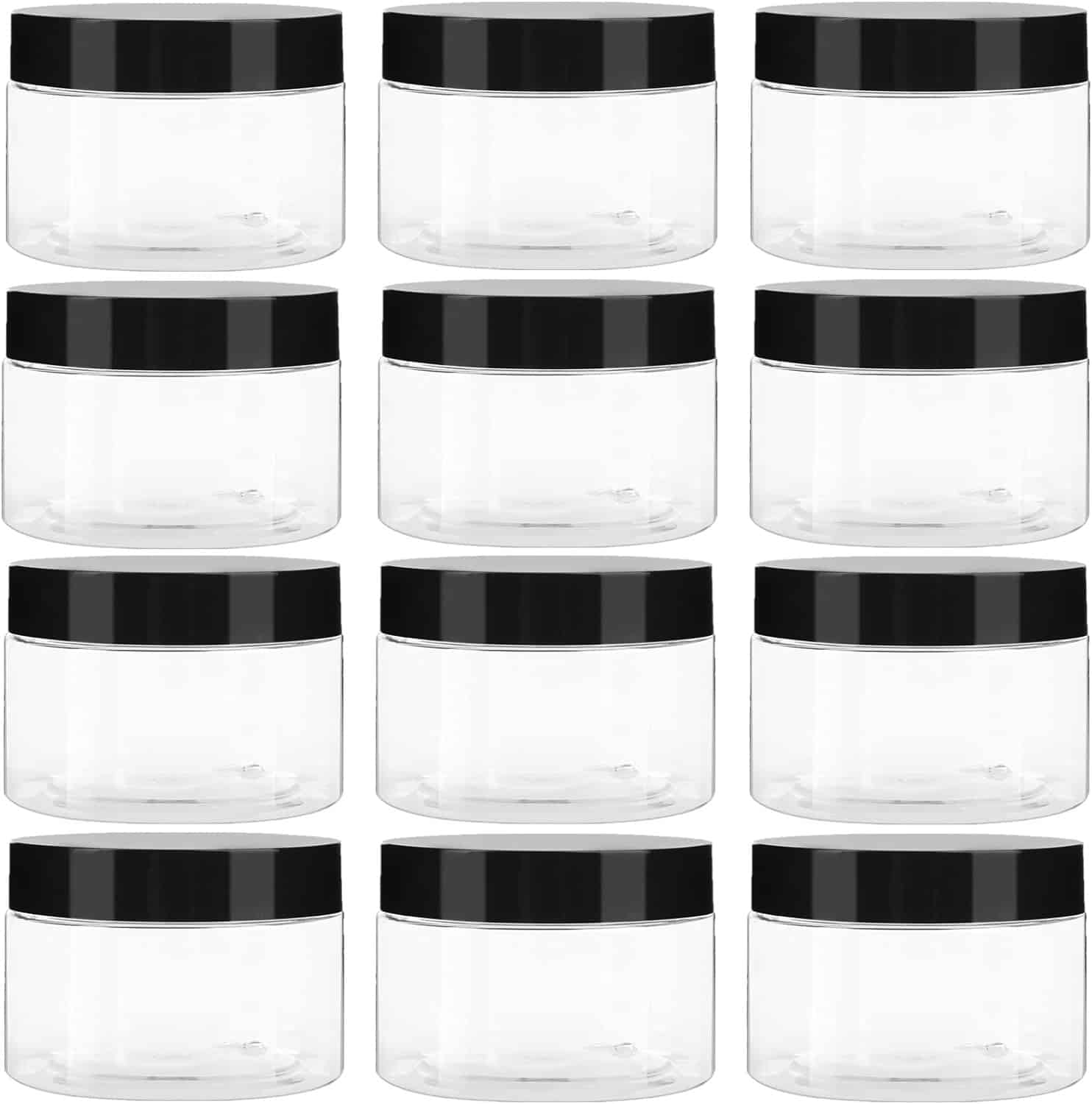
The Psychology of the Shelf: How Jar Shape, Color & Finish Influence Wholesale Buying Decisions

If you want products to move, the jar you use matters. The way it looks changes how buyers think and act. This piece explores why shape, color, and finish steer wholesale choices. It also shows how to apply these ideas in practice.
How Jar Shape Shapes Choice and Perceived Value
Jar shape carries meaning beyond storage. Consumers read curves and angles as signals of function and quality. A tall, slender jar suggests precision and premium care. A short, wide jar hints at abundance and ease of access. When a buyer surveys shelves, the eye first sees silhouette. That initial impression can tilt toward a product that feels right for their brand story. In wholesale terms, shape affects perceived value. Retail buyers want items that look sturdy and reliable on their displays. A well-chosen silhouette reduces perceived risk. It signals that the product is designed with attention to detail. The shape also influences stacking and shelf space. If jars nest cleanly or align in a display, it makes the line look organized and professional. This reduces time spent evaluating options and increases confidence in the purchase.
Color as a Signal for Category and Taste
Color communicates category, mood, and target market at a glance. Bright hues attract attention and convey playfulness. Neutral tones imply sophistication and timelessness. A jar color can hint at the product inside and its quality. Buyers look for color consistency across a line. Variation can signal novelty, but it can also confuse. For decision-makers, even small color shifts affect how quickly they compare options. In bulk buying, consistent color across items helps create cohesive displays. It reduces the need to reorder later if shades drift. Color also interacts with lighting in a store or warehouse. The right shade under lighting can appear richer or duller, changing perceived value. Wise sellers choose colors that stay legible and true under common store conditions.
Finish and Texture: The Quiet Influencers
Finish covers the surface feel and sheen of a jar. A glossy finish catches light and looks modern. Matte finishes communicate understated elegance. Texture adds tactile cues that can influence a buyer’s sense of quality. Smooth finishes feel easy to clean and maintain. Rough textures can imply rustic charm or artisanal care. In a wholesale context, finish choices affect shelf presence and practicality. A high-gloss jar may look premium but show fingerprints. A matte finish resists gloss, keeping a clean look longer in busy displays. Buyers weigh not just aesthetics but how the product holds up under handling. Finishes that resist scuffs and scratches support long-term displays. The finish also plays with perceptions of weight and durability. Heavier-looking jars can suggest sturdiness, even if they are lightweight in material.
Shape, Color, and Finish in the Buying Process
The combination of shape, color, and finish creates a strong first impression. Buyers assess fit with brand identity, target customers, and shelf needs. A cohesive trio can enhance perceived quality and value. As buyers move from first glance to deeper evaluation, these elements influence memory. A jar that aligns with brand storytelling sticks in the mind. In wholesale negotiations, easy recognition saves time. Quick recognition helps buyers compare categories faster. A well-matched design streamlines the approval process. This can tip decisions in favor of a vendor who presents consistent packaging. Ultimately, the goal is to create a confident buying decision with minimal doubt. The jar becomes part of a larger story the buyer wants to tell in their store or catalog.
Practical Considerations for Wholesale Buyers
Beyond look and feel, buyers consider practical aspects. Size, weight, and opening type affect handling and fulfillment. A jar that is too heavy raises costs in transport and pallet space. The right opening type supports efficient product use. A wide mouth can speed up filling and customer access, but may compromise seal strength. A tight seal protects contents but can complicate usage in some markets. Compatibility with existing closures and labeling systems matters. On the wholesale floor, consistent dimensions improve warehouse efficiency. Standardized shapes simplify stacking, shelving, and inventory tracking. Buyers often favor products that integrate smoothly with their current packaging lines. Accessibility for customers with diverse needs is a growing factor as well.
Brand Story and Display Strategy
Packaging choices tell a brand story before one word is spoken. Jar shape and color become ambassadors of the brand’s personality. A coherent display plan uses the same design language across products. Consistency builds recognition and trust. Retail buyers look for packaging that supports promotional events and seasonal campaigns. A jar that mirrors campaign colors and messaging strengthens the overall impact. The display strategy should also consider durability. If a line is meant for high-traffic displays, packaging must endure handling. A robust jar reduces product loss and returns. Finally, packaging should align with sustainability goals. Recyclable materials and minimal waste resonate with modern shoppers and bulk buyers alike.
Market Trends and Consumer Psychology
Trends influence what buyers consider appealing. Minimalist designs with clean lines are popular in many markets. That style often uses simple shapes and restrained color palettes. Yet, some segments respond to bold, expressive jars that shout creativity. Understanding the target buyer’s psychology helps shape decisions. For example, health food brands may prefer green or natural tones that signal freshness. Gourmet lines might use rich hues and refined finishes to imply luxury. Seasonal shifts also matter. A limited-edition color or finish can create urgency and drive volume. To stay competitive, wholesalers watch for shifts in color preferences and form language. They test small runs to gauge reaction before scaling up.
Sourcing and Manufacturing Considerations
The jar’s life does not start on the shelf. It begins with design and supplier choices. Good sourcing supports consistent color and finish across lots. This consistency matters for big orders and seasonal lines. Suppliers who can reproduce shapes, colors, and finishes reliably are valued partners. Lead times and minimums affect wholesale decisions. Flexible terms help buyers manage inventory and cash flow. Quality control processes ensure batches meet standards. A well-managed supply chain prevents delays that hurt retailer confidence. When a vendor communicates clearly about specs and timelines, it strengthens trust. In return, buyers place larger orders with fewer questions.
A Practical Plan for Implementing Shelf Psychology
- Define the brand story and target market clearly. Align jar shape, color, and finish with that story.
- Create a small set of core designs. Ensure consistency across all products in the line.
- Test with a representative group of buyers. Observe which designs attract attention and convert to orders.
- Optimize for display. Design with shelf interaction in mind, not just production.
- Monitor feedback on durability and usability. Use it to refine specifications for future runs.
Implementing these steps helps wholesale teams improve both buyer appeal and fulfillment efficiency. The goal is to build a packaging system that supports brand values and sales performance over time.
Conclusion: The Quiet Power of the Jar on Wholesale Decisions
Shape, color, and finish work together to guide buying behavior. They influence first impressions, memory, and confidence. Buyers respond to packaging that signals quality, helps with branding, and remains practical under real-world use. By treating jar design as a strategic asset, wholesalers can improve shelf performance and buyer satisfaction. The right combination reduces doubt and speeds orders. In the end, packaging becomes a partner in the sales process, not just a container. When done well, it supports growth and brand value across markets for a long time.
Visit Our Website: https://ibexpackaging.com/plastic-jars/

