
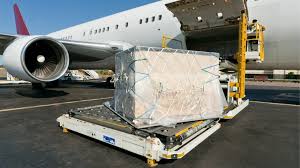

Forget the dry logistics for a moment. Think about what’s in those containers and crates. It’s not just “freight.” It’s the brand-new tractor for a family farm in Nakuru, still wrapped in plastic. It’s the delicate, life-saving medical parts for a clinic in Lagos, packed with more hope than polystyrene. It’s the carefully palletized textbooks for a school in Accra and the industrial sewing machines that will become the backbone of a small factory in Durban. Sending cargo to Africa is, at its core, an act of connection. It’s about enabling dreams, fueling enterprise, and supporting daily life across a continent of immense diversity and ambition. It’s a bridge built not of steel, but of trust, paperwork, and a shared goal.
Navigating the Map: It’s Not One Destination, But Fifty-Four
The first rule of shipping to Africa is to banish the phrase “shipping to Africa” from your planning. You are shipping to Ghana. You are shipping to South Africa. You are shipping to Kenya. Each country is a unique market with its own ports, customs authorities, tariffs, and challenges. A port like Mombasa serves landlocked nations like Uganda and Rwanda via complex but vital trucking corridors. Durban is a gateway for the south, while Tema in Ghana is a hub for West Africa. Your choice of entry point is the single most important decision you’ll make. It dictates everything from cost to transit time and reliability. Research isn’t just helpful; it’s mandatory.
The Indispensable Guide: Finding Your Freight Forwarder
Trying to manage this process alone is like navigating a new city without a map, in a language you don’t speak. This is where a seasoned freight forwarder with proven African corridors becomes your most valuable partner. They are your translator, your negotiator, and your fixer. A good forwarder doesn’t just book space on a ship or plane; they have trusted agents on the ground in Dar es Salaam or Luanda who know how to get your cargo cleared when the system seems impenetrable. They advise on the best Incoterm (like FOB or CIF) to protect your interests and handle the mountain of documents—from the commercial invoice and packing list to the crucial Certificate of Origin and any import permits. Their expertise is your peace of mind.
The Paper Trail: Where Documents Are as Important as the Cargo Itself
In African logistics, paperwork is not a formality; it is the foundation. A single mistake on a Certificate of Origin or a missing stamp can strand your container at the port for weeks, incurring massive demurrage fees. Every country has its own specific, non-negotiable requirements. Some may demand a pre-shipment inspection (like SONCAP for Nigeria or PVoC for Kenya). All will require meticulously detailed packing lists and invoices. Your forwarder will guide you, but the accuracy of the information you provide is on you. Precision here is not about bureaucracy; it’s about ensuring the wheels keep turning and your cargo reaches its final destination.
Choosing Your Path: The Sea vs. Air Dilemma
The choice between sea and air freight boils down to a simple equation: time versus money. Sea freight is the workhorse. It’s for the non-urgent, the heavy, and the bulky—think machinery, vehicles, or large quantities of retail goods. Transit times from the UK or Europe to major West African ports can be 3-5 weeks, plus clearance and inland transport. Air freight is your lifeline for urgency. It’s for spare parts needed to restart a factory line, high-value electronics, or samples for a trade show. It’s exponentially more expensive but can deliver in days. Most businesses use a strategic mix, balancing their supply chain’s need for speed with its tolerance for cost.
The Final Mile: The Journey Isn’t Over at the Port
Many make the mistake of thinking the job is done when the ship docks. In reality, the most critical phase often begins here: the “last mile” or inland delivery. Port congestion can be a challenge. Having a clearing agent ready to spring into action is vital. From the port, your goods may need to travel hundreds of miles by road on networks that vary from excellent to arduous. This leg requires a reliable local trucking partner, secured by your forwarder’s agent. They ensure your tractor gets to the farm in Nakuru, not just to the port in Mombasa. Planning for this final journey from the very start is what separates a successful shipment from a logistical nightmare.
A Partnership for Progress
Ultimately, successful cargo to Africa is built on partnership. It’s a collaboration between you, a knowledgeable forwarder, and their trusted local contacts. It requires patience, meticulous planning, and a deep respect for the processes of each destination country. It’s not always the fastest or easiest supply chain, but it is one of the most meaningful. When done right, it’s more than a transaction; it’s a tangible contribution to growth, a delivery of potential, and a testament to the enduring and vital trade links that connect continents. You’re not just sending a box; you’re sending a piece of the future.

