

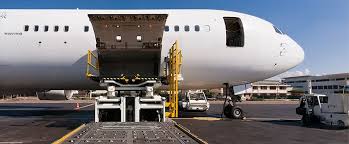

London never sleeps, and neither does its air cargo London. Every single day, planes loaded with flowers, iPhones, car parts, medicines, and even racehorses take off from Heathrow, Stansted, and Gatwick to every corner of the planet. If you’ve got something that can’t wait six weeks on a ship, air freight from London is your best friend. It’s fast, it’s reliable, and once you know the tricks, it’s not even that scary on the wallet. This guide is written by someone who’s actually stood in the cargo shed at 3 a.m. arguing with customs – no robot nonsense, just real talk that works in 2025.
The Airports You’ll Actually Use in London
Heathrow is the big daddy. If your shipment is going further than Europe or needs temperature control (think vaccines or fresh tuna), this is where it flies from. Stansted is the quiet hero – open 24 hours, huge runways, and loves massive freighters. Most Amazon-style e-commerce pallets leave from here now. Gatwick does a surprising amount of flowers and fashion. Luton is great for quick Middle East and Africa runs. London City is only for tiny urgent boxes that fit in a small jet. Pick Heathrow if you want daily flights everywhere, pick Stansted if you’re moving pallets and want cheaper handling.
Who You Should Actually Call to Move Your Stuff
Forget ringing the airline directly – you’ll just get transferred ten times. Use a proper freight forwarder. The good ones in London are people like Woodland Global, Davies Turner, or Uniserve – they’ve been doing this since before email existed and know every shortcut. For smaller parcels and excess baggage, give Cargo To Continent or 1st Class Cargo a shout – they collect from your house the same day. If you’re sending fashion samples or urgent prototypes, try Hellmann or Kuehne+Nagel; they live for last-minute panic jobs. Always get three quotes the same morning – prices can swing £400 on the same flight just because one guy has space left.
How the Whole Thing Actually Works in Real Life
You ring someone, they send a van. Driver turns up (usually Eastern European, always cheerful). He weighs and measures everything because airlines charge by whichever is bigger – actual weight or size. Then it goes to the cargo shed where they X-ray it, print an air waybill (that’s the plane’s version of a postage label), and stick it on a pallet. Plane takes off that night or the next morning. You get a tracking number that actually works. When it lands, the receiver (or their agent) pays local charges and collects. Whole thing takes 3–8 days depending on where it’s going. That’s literally it. The scary bits only happen when paperwork is wrong.
Real Prices People Pay Right Now (December 2025)
A 10 kg box of clothes to Dubai: £55–£75 A 100 kg pallet of spare parts to New York: £350–£480 A 500 kg machine to Singapore: £1,100–£1,400 Same-day emergency 2 kg documents to Paris: £180–£220
Those are door-to-door prices including collection in London and delivery at the other end. Peak season (November–January) adds 20–30%. Summer is cheapest. Fridays are expensive because everyone wants Monday delivery. Book Tuesday or Wednesday morning and you’ll save money every single time. Fuel surcharge is included in those numbers now – airlines finally stopped pretending it’s extra.
What Actually Flies Well from London
Fresh flowers from Holland (yes, they come here first), Scottish salmon, English luxury car parts, life-saving medicines, iPhones on launch day, fashion samples for Paris shows, and tons of online shopping returns. If it’s worth more than £15 per kg or goes bad quickly, it flies. If it’s heavy and cheap (like plastic toys or furniture), send it by sea and save your money. Batteries and perfumes need special labels but still fly every day. Never ever put normal magnets near the compass on a plane – they’ll make you unpack the whole pallet. Learned that one the hard way.
The Customs Paperwork That Actually Matters
Invoice saying exactly what it is and how much it’s worth (lie and you’re in proper trouble). Packing list saying how many boxes and weight. Your EORI number if it’s commercial (Google gives you one free in ten minutes). That’s it for most stuff leaving the UK. The receiving country might want more, but that’s their problem. For personal effects or gifts, just write “used personal belongings – no commercial value” and you usually sail through. Take photos of expensive items before packing – makes insurance claims painless if something breaks.
Ten Tricks That Save Real People Real Money Every Week
- Ship on Tuesday or Wednesday – cheapest days.
- Avoid anything over 150 cm in one direction – airlines hate long boxes.
- Use proper export cartons, not removal boxes with tape everywhere.
- Never write FRAGILE unless it’s actually glass – handlers throw those hardest.
- Put your phone number on every single box – lost pallets magically reappear.
- Book two days ahead – last-minute costs double.
- Split big shipments across two flights if one is full – cheaper than waiting.
- Use wooden pallets for anything over 200 kg – metal ones get refused now.
- Insure properly – £10 extra covers £10,000 of value.
- Make friends with one forwarder – they’ll call you first when rates drop.
Air cargo London only feels complicated until you’ve done it once. After that it’s just like posting a parcel, except the parcel weighs a ton and flies at 500 mph. Pick up the phone, talk to a human, tell them exactly what you’ve got, and let them sort the rest. Your stuff will be halfway around the world before you’ve finished your cup of tea.

