

France’s Water Pump Demand Is Being Shaped by Network Renewal and Smarter Water Management

France’s water pump sector is closely connected with municipal water supply, wastewater treatment, industrial processing, agriculture, irrigation, building services, flood management, and water reuse. Pumps support drinking water distribution, sewage transfer, treatment plant operations, stormwater drainage, pressure boosting, groundwater abstraction, process-water circulation, and reclaimed water movement. As France modernizes ageing water networks and responds to drought pressure, demand is moving toward reliable, efficient, and digitally controlled pumping systems.
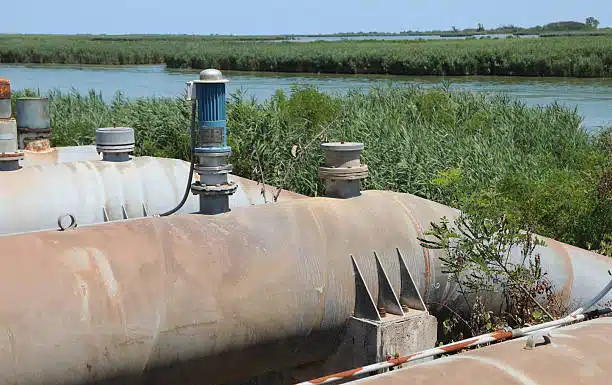
According to MarkNtel Advisors, the France Water Pump Market size was valued at around USD 1.98 billion in 2025 and is projected to grow from USD 2.11 billion in 2026 to USD 2.43 billion by 2032, registering a CAGR of around 2.38% during 2026–2032. This water network renewal trend is being supported by structural water losses, municipal infrastructure upgrades, centrifugal pump adoption, variable-speed systems, and digitally controlled pumping technologies.
Water Loss Is Increasing the Need for System Upgrades
France has a large and mature drinking water distribution network, but ageing pipelines, leakage, and pressure inefficiencies remain important concerns. Structural water loss can raise operating costs, reduce supply reliability, and increase pressure on already stressed freshwater resources. Pumping systems are part of the solution because pressure management, efficient booster stations, and modern controls can help utilities move water more effectively through distribution networks.
France’s wider water policy also emphasizes conservation. The French government’s Water Plan focuses on reducing water withdrawals, improving sobriety in water use, strengthening reuse, and adapting local water management to climate change. These priorities support demand for equipment that can improve water movement, monitoring, and operational efficiency.
Wastewater Treatment Creates Steady Applications
Wastewater treatment remains one of the most important use cases for pumps in France. Pumping systems are required for sewer lift stations, influent transfer, sludge handling, chemical dosing, filtration, treated effluent discharge, and stormwater management. These applications require equipment that can handle solids, variable flows, corrosion, and continuous operating cycles.
The European Commission’s revised Urban Wastewater Treatment Directive, which entered into force in January 2025, requires EU countries to ensure proper and cost-effective collection and treatment of urban wastewater. This strengthens the case for treatment plant modernization, sewer-network upgrades, advanced monitoring, and energy-efficient pumps across France.
Centrifugal Pumps Remain the Leading Technology
Centrifugal pumps hold the largest share in France’s water pump sector, according to MarkNtel Advisors. Their leadership is linked to wide use in water supply, wastewater treatment, irrigation, building services, and industrial operations. These pumps are valued for high-volume flow movement, relatively simple maintenance, broad availability, and suitability for clean or moderately contaminated water.
For French utilities and industrial users, equipment selection is increasingly based on lifecycle cost rather than purchase price alone. Efficient motors, variable frequency drives, improved hydraulic design, corrosion-resistant materials, and smart control systems can reduce electricity consumption and improve reliability. This is especially important where pumps run for long periods in municipal and industrial environments.
Water Reuse Is Opening New Pumping Requirements
France is paying greater attention to water reuse as drought risk and seasonal water stress increase. Reclaimed water systems require pumps for tertiary treatment, storage, irrigation distribution, industrial reuse, and transfer networks. These applications create demand for systems that can maintain safe, predictable flows while meeting quality and operational requirements.
The European Commission explains that water reuse from urban wastewater treatment plants can help address scarcity by offering a safe and predictable water source while reducing pressure on water bodies. For France, reuse can support agriculture, landscaping, industry, and climate-resilience planning, especially in regions facing recurring water restrictions.
Agriculture and Irrigation Add Seasonal Demand
Agriculture remains a practical demand area for pumps in France, particularly for irrigation, drainage, water transfer, and farm-level pressure systems. Water availability is becoming more uncertain due to hotter summers, changing rainfall patterns, and local drought restrictions. Pumps used in irrigation must therefore balance reliability, energy efficiency, and responsible water use.
Efficient irrigation pumping can help farms maintain productivity while reducing unnecessary withdrawals. Solar-compatible pumps, variable-speed operation, and better monitoring can support more precise water application when paired with good irrigation planning. This is relevant for crops, vineyards, orchards, vegetable production, and livestock systems that depend on timely water access.
Industrial Users Require Durable Pumping Systems
France’s industrial base includes food processing, chemicals, pharmaceuticals, energy, paper, manufacturing, and construction materials. These sectors require pumps for process water, cooling, boiler feed, wastewater treatment, chemical dosing, and fluid transfer. In many cases, pumps must manage corrosive liquids, continuous operation, strict hygiene needs, or high reliability requirements.
Industrial users are also under pressure to reduce water consumption and improve wastewater handling. This supports demand for pumps used in water recycling, closed-loop systems, treatment upgrades, and process optimization. Digitally monitored pumps can help operators detect inefficiencies, prevent failures, and reduce maintenance-related downtime.
Digital Pumping Is Becoming More Relevant
One of the key trends identified by MarkNtel Advisors is the integration of variable-speed and digitally controlled pumping systems. These technologies can help utilities and facility managers adjust flow according to real-time demand, reduce energy use, detect abnormal operating conditions, and improve asset management.
Smart pumping systems can be especially useful in large networks where pressure, flow, and demand vary throughout the day. Remote monitoring, sensors, predictive maintenance, and automated controls are likely to become more common as French water operators modernize assets and aim to reduce losses.
A More Resilient Pumping Future
France’s water pump ecosystem is expected to remain closely linked to water-loss reduction, wastewater modernization, industrial water efficiency, irrigation needs, water reuse, and climate adaptation. Future demand will likely focus on centrifugal pumps, variable-speed systems, smart controls, efficient motors, corrosion-resistant materials, and digitally connected pumping stations.
As France works to conserve water, modernize infrastructure, and strengthen resilience against drought and flooding, pumps will remain essential assets in the water value chain. The next phase will depend on lifecycle efficiency, reliability, regulatory compliance, and the ability of pumping systems to support smarter and more sustainable water management.

