

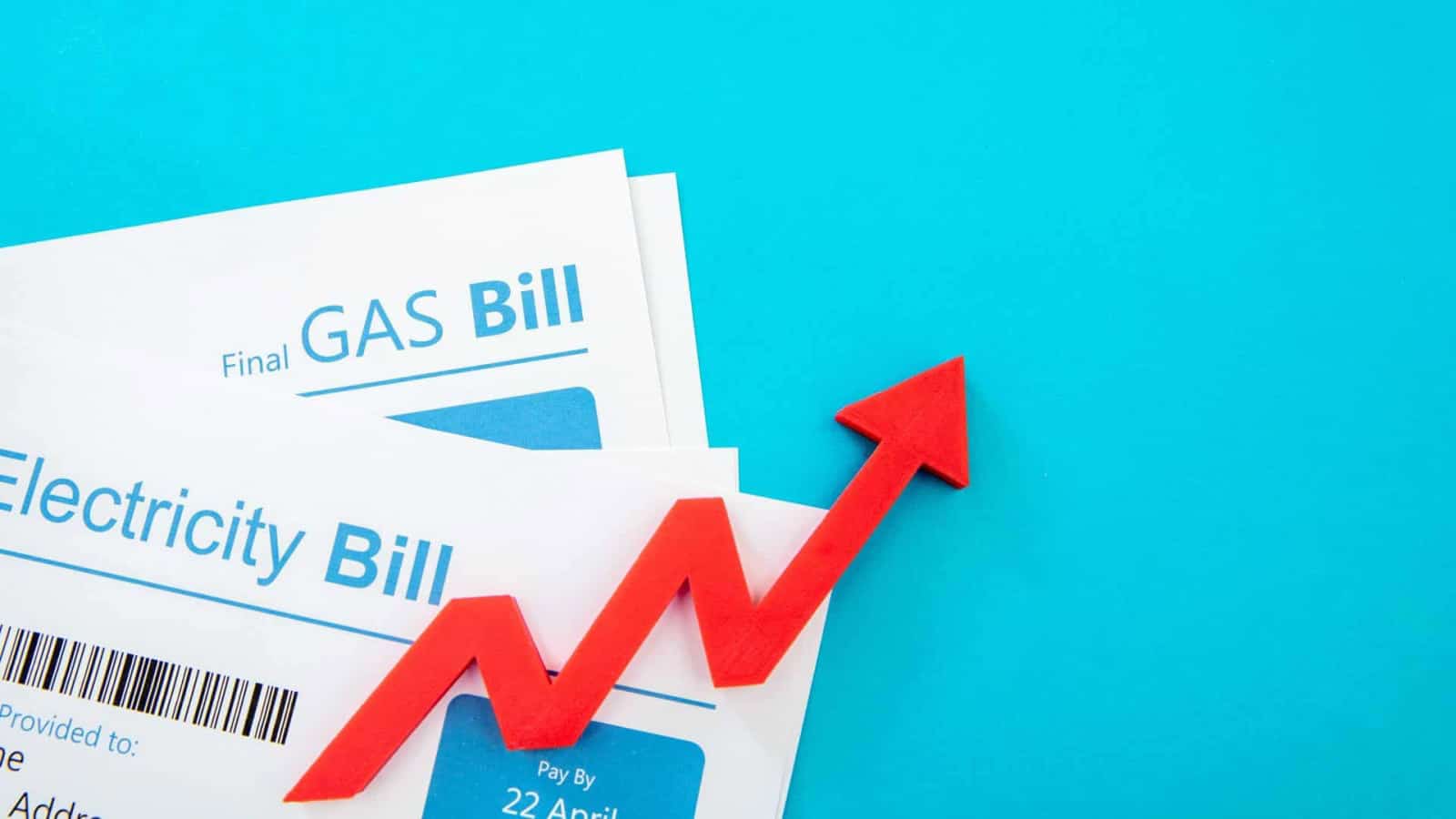

You’ve seen it on your latest bill, haven’t you? Another price hike. Another chunk out of your budget.Meanwhile, solar panels are everywhere. Wind turbines dot the landscape. Renewable energy is booming across Australia.So what gives? Why are we paying more when clean energy is supposed to be cheaper?It’s frustrating, I know. You’re doing everything right. Maybe you’ve even installed solar panels yourself. Yet the bills keep rising.
Let me walk you through what’s actually happening. Because once you understand it, you can fight back. When daylight savings Australia rolls around each year, you might notice your usage patterns shift. Your evening peak moves an hour earlier or later. Retailers know this affects demand curves. They price accordingly.The truth is messier than what politicians tell us. But it’s not hopeless.
The Weird Thing About Renewable Energy Costs
Australia’s crushing it with renewables. We’re world leaders in rooftop solar. Over 35% of our electricity now comes from clean sources.Pretty impressive, right?Here’s the catch though. Cheap energy doesn’t automatically mean cheap bills. There’s a big difference.Think about it like buying a car. The petrol might be cheap. But insurance, registration, and maintenance? They’ll get you every time.Renewable energy works the same way. The sun and wind are free. Everything else? Not so much.
What’s Really Eating Your Money
Most people blame the wrong thing. They think it’s the electricity itself costing more. Nope.Your actual power usage is maybe half your bill. Sometimes less.The real killer is network charges. These cover all the poles and wires delivering power to your home.In some areas, network charges have literally doubled over ten years. Crazy, isn’t it?Here’s why. The old grid was designed for one-way traffic. Power stations sent electricity to homes. Simple.
Now we’ve got solar panels sending power backwards into the grid. Two-way traffic needs completely different infrastructure.Every transformer needs upgrading. Every switchboard needs modernizing. Every suburb needs smarter technology.Someone’s got to pay for all that. Spoiler alert: it’s you.
Too Much Solar Is Actually a Problem
I know this sounds backwards. Bear with me.On sunny days, we generate massive amounts of solar power. Way more than we need during the middle of the day.Everyone’s at work. Houses are empty. Solar panels are pumping out electricity nobody’s using.Wholesale prices crash. Sometimes they even go negative. Power companies literally pay to get rid of excess electricity.You’d think that’s great news for consumers. Here’s the problem.Energy retailers can’t survive on negative prices. They’ve got bills to pay too. So they make up for it by charging more during peak times.
That’s evening. When you’re home. Cooking dinner. Running the aircon. Watching Netflix.That’s when they hammer you with higher rates. Smart people now compare energy plans regularly to find better rate structures. Off-peak pricing plans can save serious money. Time-of-use tariffs reward you for shifting usage to cheaper periods. Some plans even offer solar feed-in bonuses that actually make sense.
We’re Still Paying for Dead Coal Plants
Here’s something that’ll annoy you. We’re paying for coal power stations that don’t even run anymore.These plants signed contracts decades ago. Long-term agreements that locked in payments regardless of operation.When they shut down, those contracts don’t magically disappear. The money still needs to come from somewhere.Plus there’s decommissioning costs. Tearing down a coal plant isn’t cheap. Environmental cleanup costs millions.All of that flows through to your power bill eventually. It’s like paying rent on a house you moved out of years ago.
The Massive Infrastructure Bill
Australia’s building what they call energy superhighways. Massive transmission lines connecting states.These will let us share renewable power across the country. Queensland’s solar could power Victoria on a cloudy day.Sounds brilliant. And it is. But it costs somewhere between fifty and eighty billion dollars.That’s not a typo. Billions with a B.Energy companies borrow this money. Then they recover it slowly through higher bills over twenty or thirty years.You’re essentially paying off a mortgage you never signed up for. But there’s no way around it if we want reliable renewable power.
The Balancing Act Gets Expensive
Coal plants were predictable. They ran 24/7 at steady output. Grid operators knew exactly what they had to work with.Renewable energy is different. Solar depends on sunshine. Wind depends on weather.Some days you’ve got too much power. Other days not enough. This uncertainty costs money to manage.
You need backup systems. Massive battery installations. Gas peakers on standby. Smart grid technology predicting demand.All of this adds layers of cost that didn’t exist before. The old system was simpler and cheaper to operate We’re in an awkward transition period. Costs are high now. But eventually things should settle down.
What You Can Actually Control
Alright, enough complaining. Let’s talk about what you can do about it.
- First thing: understand when you use power. Most retailers have apps showing your usage patterns. Actually look at them.See those evening spikes? That’s where your money goes. Shift what you can to off-peak times.Run your dishwasher overnight. Set the pool pump for midday. Charge devices during cheap periods.
- Second: solar panels make more sense now than ever. Yes, the upfront cost hurts. But rising grid prices improve your payback timeline.Already have solar? Consider adding batteries. Store your daytime generation for evening use.
- Third: shop around properly. Don’t just compare the advertised rate per kilowatt-hour. Look at everything.Some plans offer huge discounts but have high daily charges. Others have low standing fees but expensive usage rates.Read the fine print. Calculate your actual annual cost based on your usage. The cheapest advertised rate rarely means the cheapest bill.
- Fourth: fix the easy stuff. LED bulbs save money. Period. Door seals stop heat escaping. Ceiling insulation works.These sound boring but they genuinely reduce consumption. Less power used means less money spent. Simple math.
- Fifth: get smart with heating and cooling. This is probably 40% of your bill. A programmable thermostat pays for itself quickly.Set it to turn off when you’re not home. Run it less aggressively. Every degree matters.
The Retail Energy Game
Energy retailers face wild price swings in wholesale markets. When prices spike unexpectedly, they lose money fast.To protect themselves, they build bigger safety margins into retail prices. Basically, you’re paying for their insurance policy.Different retailers handle risk differently. Some are aggressive with pricing but less stable. Others are conservative but reliable.This is why the market changes constantly. A great plan today might be ordinary in six months.Set a calendar reminder. Compare plans twice a year minimum. It takes twenty minutes and can save hundreds.Don’t be loyal to energy companies. They’re not loyal to you. They’ll happily overcharge you if you don’t pay attention.
The Light at the End of the Tunnel
Look, I won’t sugarcoat it. The next few years will be rough. Infrastructure costs aren’t going away soon.But there is hope. Once these massive projects are finished, operational costs drop dramatically.Renewable energy is genuinely cheaper to run long-term. No fuel costs. Lower maintenance. More competition.We’re paying now for benefits we’ll see later. Like renovating a house. It’s messy and expensive during construction.But eventually you’ve got something better. More efficient. Cheaper to run. More reliable.Battery technology keeps improving. Costs keep falling. Storage capacity keeps growing.In five to ten years, the energy market will look completely different. Prices should stabilize and potentially decrease.
Your Action Plan
Don’t just sit around hoping bills magically drop. They won’t. Take control now.Start with the free stuff. Change your usage habits. Turn things off. Shift loads to off-peak times.Then tackle the easy upgrades. LEDs. Draught seals. Smart power boards. These pay for themselves quickly.
Consider solar if you can afford it. Run the numbers properly. Factor in rising grid prices when calculating payback.And for goodness sake, compare plans regularly. The energy market rewards people who pay attention.Every dollar you save is a dollar you keep. It adds up faster than you think.The renewable transition is happening whether we like it or not. Understanding why bills are rising helps you navigate it smarter.Stay informed. Stay proactive. And never accept a price increase without questioning it first.Your power bill is one of the few costs where you actually have options. Use them.
FAQs
Why does renewable energy cost so much if sun and wind are free?
The energy source costs nothing, true. But building solar farms isn’t free. Neither are wind turbines or transmission lines. Battery storage costs billions. All those infrastructure costs get recovered through your bill over time. We’re essentially financing the entire renewable transition through higher prices now.
Will power bills ever come down?
Eventually, yes. Probably in five to ten years once infrastructure upgrades finish. More storage capacity will stabilize wholesale prices. Increased competition should drive retail prices down. But don’t expect relief next year. The transition period is expensive and we’re right in the middle of it.
Should I switch energy providers?
Absolutely compare plans every six months. Retailers constantly change their offers and pricing structures. You might find deals hundreds of dollars cheaper annually. Even small savings compound over time. Never stay with a provider out of habit or laziness.
Do solar panels still make sense with rising bills?
More than ever actually. Rising grid prices improve your solar payback period. You’re protecting yourself against future increases. Add batteries for even better returns. Solar is an investment in energy independence as much as cost savings.
What’s the single best way to reduce my bill right now?
Shift your usage to off-peak times. Run appliances at night or during solar hours. This simple change can cut bills by 15-30% depending on your plan. It costs nothing and starts saving money immediately. Most people never bother and waste hundreds annually.

