

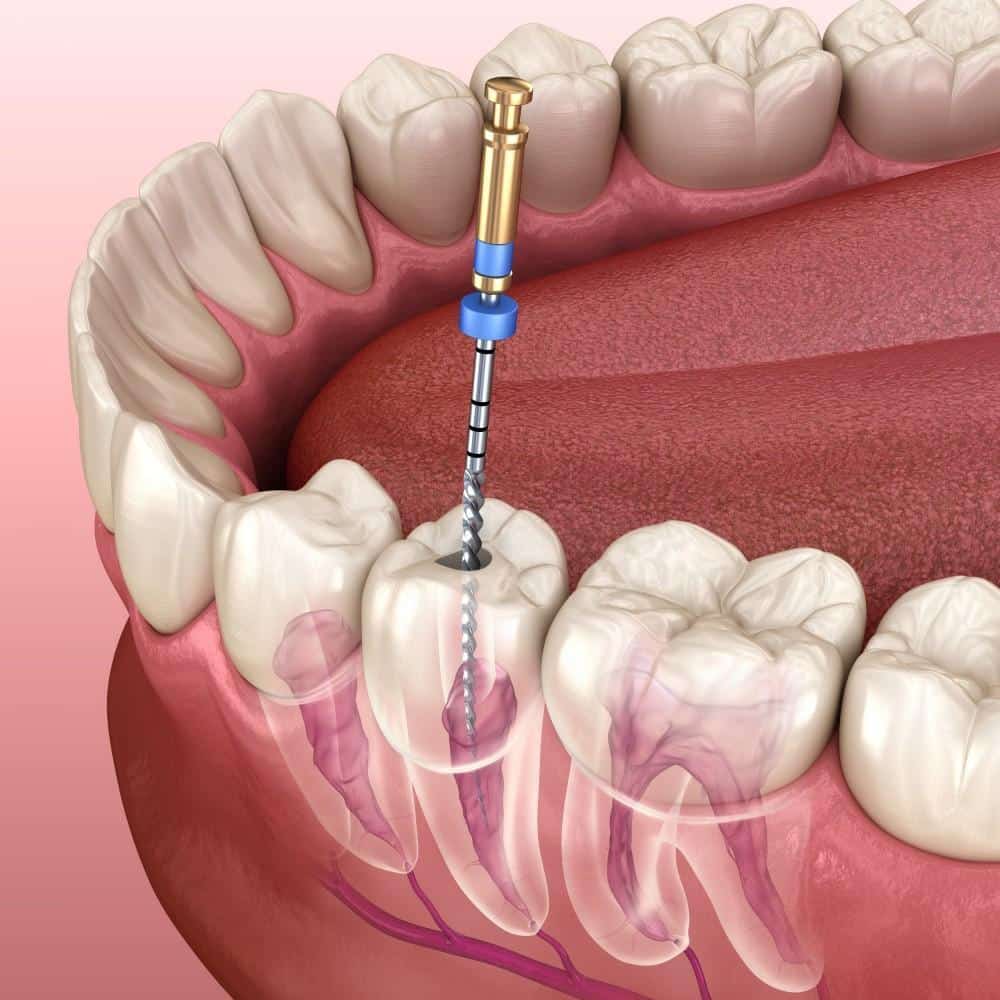

A sore root canal tooth is a common occurrence after undergoing root canal therapy. Although the procedure is designed to eliminate infection, relieve pain, and save the natural tooth, it is not unusual to experience tenderness or discomfort for several days. This soreness can range from mild sensitivity when chewing to a lingering dull ache. Understanding why a root canal tooth may feel sore and how to manage it can help ease your concerns and support a smooth recovery.
The discomfort is typically due to inflammation in the tissues surrounding the treated tooth. During the procedure, instruments used to clean and shape the canals can irritate the ligaments and surrounding bone. This irritation, combined with the body’s natural healing process, can result in temporary soreness. Most patients find that the discomfort gradually decreases within a week.
Following dental advice today is essential for effectively managing this soreness. Dentists provide guidance on how to care for the treated tooth, including proper oral hygiene, dietary adjustments, and pain management strategies. Following these instructions not only speeds up healing but also minimizes the risk of complications such as infection or excessive inflammation.
Understanding the Causes of Soreness
Even when root canal therapy is successful, several factors can contribute to post-treatment discomfort. Recognizing these can help patients understand what is normal and when to seek further care. One of the most common causes is inflammation of the surrounding tissues. The periodontal ligaments and bone may remain sensitive as they recover from the treatment, which can lead to temporary tenderness.
Another cause of soreness is the pressure exerted by temporary fillings or crowns. Sometimes a restoration can slightly alter your bite, making the treated tooth feel “high” or pressured during chewing. Bite adjustments by your dentist can quickly relieve this type of discomfort.
Finally, teeth that were severely infected before treatment may leave the surrounding tissues inflamed. Even after the pulp is removed, these tissues require time to heal, which can contribute to lingering sensitivity.
Less Common Reasons for Persistent Pain
While mild soreness is expected, there are some less common reasons for continued discomfort. One potential cause is a missed canal. Molars, in particular, often have multiple canals, and occasionally one may be overlooked during treatment. Residual bacteria can lead to persistent pain, necessitating retreatment.
Cracks or fractures in the tooth can also result in continued discomfort. Even after the pulp has been removed, structural weaknesses can make the tooth sensitive to pressure or temperature changes. Crowns or protective restorations are often recommended to strengthen the tooth and prevent further issues.
In rare cases, patients may have a mild reaction to the materials used in fillings or sealants. This can lead to temporary soreness until the tissues adjust or the material is replaced.
Timeline for Healing
Understanding what to expect during recovery can help differentiate normal soreness from complications. In the first 24 to 48 hours, tenderness, mild swelling, and occasional throbbing are common. Pain relievers and a soft-food diet can help manage discomfort during this period.
By the third to fifth day, many patients notice gradual improvement. Chewing becomes easier, and minor sensitivity persists but usually decreases in intensity.
Within a week, most soreness resolves completely. If pain continues or worsens, it may indicate bite issues, residual infection, or another complication that requires professional attention.
Effective Home Remedies for Relief
Several at-home strategies can help reduce discomfort and support healing. Over-the-counter medications like ibuprofen or acetaminophen are effective for reducing inflammation and relieving pain. Always follow recommended dosages to avoid side effects.
Adopting a soft diet is important in the early days after treatment. Foods like yogurt, mashed potatoes, soups, and smoothies are gentle on the treated tooth and minimize pressure while chewing. Avoid chewing hard, sticky, or crunchy foods until the tooth has fully healed.
Cold compresses applied to the cheek near the treated tooth can also help reduce swelling and numb discomfort. Apply the compress for 10 to 15 minutes at a time, several times a day if needed.
Maintaining Oral Hygiene
Maintaining proper oral hygiene is essential for preventing infection and supporting healing. Brush twice daily and floss carefully, avoiding direct pressure on the treated tooth in the first few days.
Warm salt water rinses can soothe inflamed tissues and help with healing. Mix half a teaspoon of salt in a cup of warm water and rinse 2 to 3 times daily.
Avoiding foods and drinks that are extremely hot, cold, hard, or sticky can also help reduce irritation during recovery.
When to Seek Professional Help
While most soreness is temporary, certain situations warrant a dentist visit. If a filling or crown is slightly high, your dentist can adjust it to relieve pressure on the treated tooth. Bite adjustments often provide immediate relief.
Persistent infection due to a missed canal or residual bacteria may require retreatment. Your dentist can remove any remaining infection and reseal the tooth to restore comfort.
If signs of infection appear, such as swelling, pus, or severe pain, antibiotics may be prescribed. Completing the full course of antibiotics as directed is critical to prevent further complications.
Protecting the Tooth Long-Term
Many root-canal-treated teeth eventually require crowns to ensure long-term protection and prevent future soreness. Crowns reinforce teeth that may have become brittle, reducing the risk of fractures and discomfort.
Crowns also help distribute chewing forces evenly, minimizing pressure on the treated tooth. They seal the tooth, preventing bacteria from entering and reducing the likelihood of reinfection.
Taking these measures helps ensure the treated tooth remains strong, functional, and comfortable for years to come.
Tips for a Smooth Recovery
Following certain strategies can help patients recover quickly and comfortably. Always adhere to your dentist’s post-treatment instructions regarding medications, diet, and oral care.
Routine follow-up visits are important to monitor healing, adjust bite issues, and address any potential complications early. Maintaining good oral habits, including consistent brushing, flossing, and rinsing, supports overall oral health and protects the treated tooth.
Monitoring your symptoms and seeking professional care if discomfort persists ensures your tooth remains strong and pain-free.
Common Questions About Root Canal Soreness
Many patients have questions about what to expect after treatment. Mild soreness is completely normal for several days as the surrounding tissues heal.
At-home care such as pain relievers, cold compresses, salt water rinses, and avoiding chewing on the treated tooth can significantly reduce discomfort.
If pain intensifies, swelling develops, or soreness persists beyond a week, contact your dentist to rule out complications and ensure proper healing.
Conclusion
A sore root canal tooth is a normal part of the healing process for most patients. Temporary inflammation, tissue trauma, and minor bite adjustments are common reasons for post-treatment discomfort. With proper care, most soreness resolves within a few days.
Following dental advice today and maintaining good oral hygiene helps ensure a smooth recovery, reduces discomfort, and prevents complications. Timely professional care, along with home management strategies, ensures that your treated tooth remains healthy, strong, and pain-free for years.

